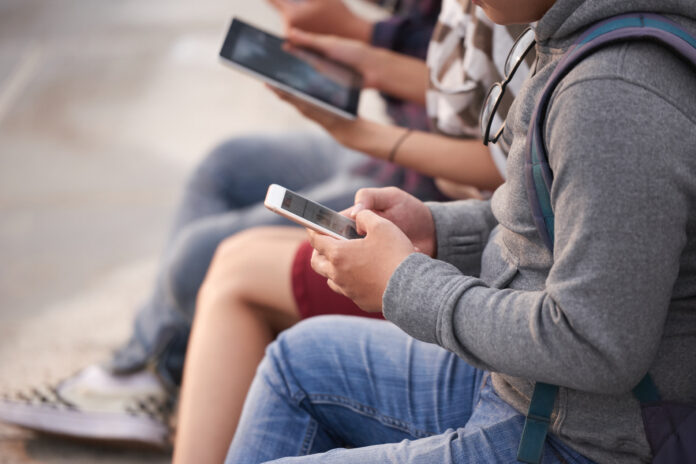
Australia has officially become the first country in the world to enforce a nationwide ban on social media for children and teenagers under 16. Access to platforms such as TikTok, YouTube, Instagram, and Facebook is now blocked, according to Reuters, cited by Mediafax. The measure follows a year of intense debate over the effects of social media on young people’s mental health.
How the ban works and public reactions
Ten major platforms have been ordered to restrict access for users under 16 or face fines of up to 49.5 million Australian dollars. Companies must quickly implement age-verification systems, including online activity inference, selfie-based age estimation, or ID checks.
The only company challenging the decision is X, owned by Elon Musk, accusing the Australian government of attempting to control nationwide internet access.
The policy has been criticized by free-speech organizations and major tech companies but welcomed by parents, psychologists, and child-protection groups. Government-cited studies indicate that 86% of children aged 8 to 15 used social media before the law took effect.
Professor Tama Leaver, an internet studies expert at Curtin University, believes this move may become a global precedent: “Although Australia is the first, it won’t be the last. Governments around the world are closely watching this national experiment.”
Not all young people view the ban as a solution. Vulnerable communities warn that it may increase isolation and anxiety. Teenagers like 14-year-old Annie Wang say social networks are vital for finding community, particularly for LGBTQ+ youth and those with niche interests.
Prime Minister Anthony Albanese maintains that the goal is to reduce pressure created by algorithmic feeds and encourage offline activities, urging students to spend their holiday time on sports, reading, and family.
Photo: freepik.com