Samsung Electronics has projected a record quarterly profit driven by surging demand for AI-related memory chips, but investors reacted cautiously, erasing more than $100 billion (€87.5 billion) from the company’s market value, according to EuroNews.
Despite reporting its third consecutive record quarter, Samsung shares fell sharply as markets questioned how long the artificial intelligence-driven semiconductor boom can continue.
Record Profit Fails to Impress Investors
According to EuroNews, Samsung expects operating profit of approximately 89.4 trillion won (€51 billion) for the April–June quarter, nearly 19 times higher than the 4.7 trillion won (€2.7 billion) reported during the same period last year.
The strong performance reflects soaring demand for memory chips used in AI data centers and cloud infrastructure.
Research from Citi Research shows that average selling prices for DRAM memory increased 44% quarter-on-quarter, while NAND flash prices climbed 53%, driven by strong AI investment across the technology sector.
Concerns Over the AI Boom
Although Samsung exceeded analyst expectations on profit, investors focused on signs that growth may be approaching its peak.
According to EuroNews, Samsung’s revenue reached 171 trillion won (€97.6 billion), up 129% year-on-year, but came in slightly below market forecasts.
Following the announcement, Samsung shares dropped more than 10% during trading before closing nearly 7% lower, pulling down rival SK Hynix and the broader Kospi index.
Morningstar analyst Jing Jie Yu told EuroNews that the weaker-than-expected revenue likely reflected more moderate memory chip price increases, prompting investors to question the sustainability of current market conditions.
Focus Turns to Long-Term Demand
Investors are increasingly debating whether major technology companies can continue investing heavily in AI infrastructure without creating excess capacity or taking on unsustainable debt.
Samsung is scheduled to publish its full quarterly financial results on 30 July, when markets will closely examine performance across its business divisions for further evidence on whether the current AI-driven memory cycle represents a lasting structural shift or a temporary market peak.
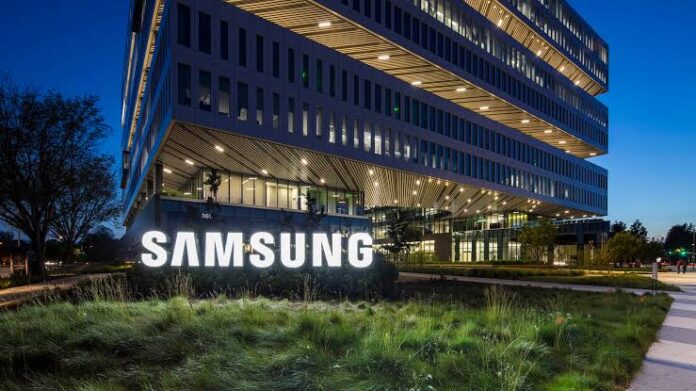
Photo: SWA Group