
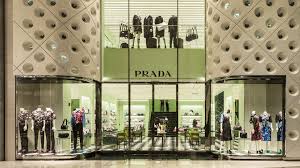
Italian luxury group Prada has officially finalized the acquisition of fashion house Versace from U.S.-based Capri Holdings in a cash transaction valued at approximately $1.375 billion, according to the Associated Press. The deal brings together two of Italy’s most iconic luxury brands.
The transaction received regulatory approval in September, when the European Commission concluded that the acquisition would not raise competition concerns, given the limited combined market positions of the companies involved.
Read also: Giorgio Armani S.p.A. appoints new Board of Directors following the founder’s passing
Founded in 1978 by Gianni Versace and his brother Santo, Milan-based Versace remains one of the most recognizable names in Italian fashion. The acquisition comes at a pivotal moment for the brand, following a challenging performance during the pandemic years.
The merger will create an Italian luxury group with annual revenues exceeding €6 billion, strengthening its ability to compete with French giants such as LVMH and Kering.
Capri Holdings, which also owns Michael Kors and Jimmy Choo, announced that the proceeds from the deal will be used primarily to reduce its debt. The American group originally acquired Versace in 2018 for around $2 billion; however, the brand’s performance fell short of expectations. Last year, Versace accounted for roughly 20% of Capri Holdings’ total revenues of €5.2 billion.
Lorenzo Bertelli, heir to the Prada group, is set to become Executive Chairman of Versace, in addition to his current roles as Chief Marketing Officer and Head of Sustainability. Patrizio Bertelli stated that no major strategic changes are planned for Versace, although he acknowledged the brand has experienced prolonged underperformance.
The Versace brand name will remain unchanged, honoring founder Gianni Versace, who was tragically murdered in 1997. Founded in 1913, Prada remains Italy’s largest fashion group, with a market capitalization of approximately €14 billion.
Despite Italy controlling nearly half of the world’s luxury personal goods production, it still lacks a fashion conglomerate comparable in size to LVMH or Kering. Even the combined revenues of Italy’s top luxury players remain below Kering’s annual sales of around €17 billion.
Photo: Prada Group