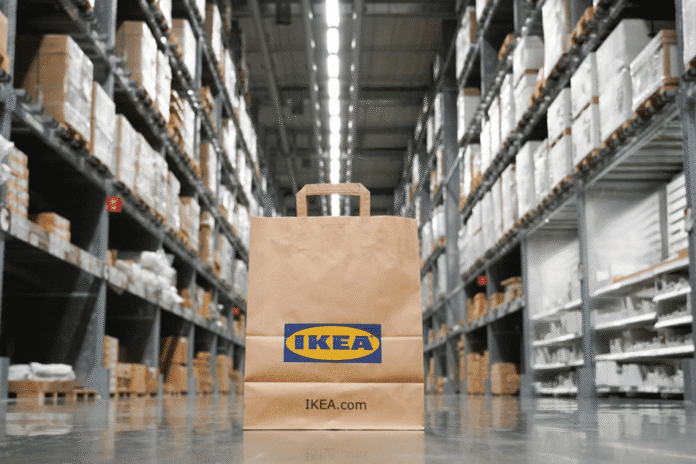
The world’s largest furniture retailer, IKEA, is going through one of the most challenging periods in its more than 80-year history, amid stagnant sales, rising raw material costs, and intense competition from online marketplaces, according to Bloomberg.
In November, IKEA executives gathered for their annual product and pricing summit as the company grappled with higher wood costs, weaker demand, and fierce competition from platforms such as Amazon, Temu, and Shein.
Read also: IKEA Romania reports 8.6% sales growth in fiscal year 2025
Inter IKEA, the brand’s global franchisor, reported a 26% drop in profit for the fiscal year ending August 31, after cutting prices to remain competitive.
“Consumers want value, convenience, and speed, and they are willing to switch retailers to get it,” said Clarisse Magnin, senior partner at McKinsey & Co., noting that marketplaces are fundamentally changing the rules by scaling sourcing, logistics, and customer access.
For IKEA, a company that helped build the global flat-pack furniture industry, this has triggered deep introspection. The brand is now in the third iteration of what it calls “the largest transformation in IKEA’s history.”
In a historic shift, IKEA has appointed non-Swedish leaders to head its two core entities: Inter IKEA and Ingka Group, which runs most IKEA stores. “We are incredibly strong when things go well; now we must be resilient and responsive when they don’t,” said Jakub Jankowski, the newly appointed CEO of Inter IKEA.
Although IKEA’s private ownership structure has allowed it to weather past crises, the current convergence of slow housing markets, tariffs, cautious spending, and fast-moving online rivals raises questions about whether the brand’s long-term buffer will be enough to sustain growth.
Photo: ot.gr